There has been a massive re-emergence of cupping therapy in Pakistan. Probably you have noticed sportspeople or even local fitness centers selling it as a pain or, detoxifier or muscle relaxant. Here is the point, however, not all cupping is similar. Dry cupping and wet cupping (Hijama) are the two most prevalent methods, and although they may look similar, they operate in very different ways.
Let’s break it down
What is dry cupping?
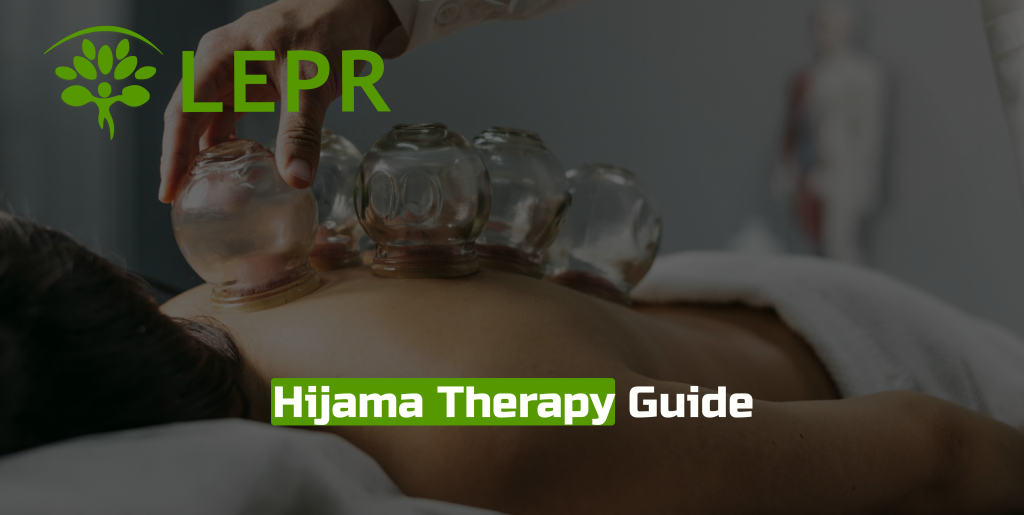
Practitioners perform dry cupping by creating a vacuum on your skin using suction cups. This suction will pump up the blood to the surface, enhancing blood circulation and reducing tension in the muscles.
It does not entail any form of cutting or bleeding, and this is the reason why it is a safe and comfortable place to start for most individuals.
How it works:
• Cups are boiled or suctioned on the skin
• The vacuum pulls the skin upward slightly.
• Cups stay for 5–10 minutes.
• The site can be slightly red or in the form of cholesterol spots after removal – they resolve in a matter of days.
Best for:
• Muscle stiffness
• Back or shoulder pain
• Blood circulation issues
• Stress and fatigue relief
What is wet cupping (Hijama)?
Wet cupping or Hijama, is an even deeper process. ChatGPT said:
After administering suction, the practitioner makes small controlled incisions on the skin and repositions the cups. This enables the release of small quantities of blood and toxins in the body. In the Islamic tradition, people use Hijama as a physical and spiritual cleansing therapy, and it is very common throughout Pakistan.
How it works:
1. They apply cups for suction.
2. We perform minor and shallow cuts.
3. Practitioners reapply cups to extract the so-called stagnant or dirty blood.
4. They then wash and cover the region.
Best for:
• Detoxification
• Chronic pain
• Migraines and headaches
• High blood pressure
• Joint problems and inflammation.
Dry vs Wet Cupping: Quick Comparison
| Feature | Dry Cupping | Wet Cupping (Hijama) |
| Process | Suction only | Suction + mild incisions |
| Pain Level | Mild pressure | Slight sting or discomfort |
| Purpose | Relax muscles, improve circulation | Detoxify, balance body fluids |
| Aftercare | Light massage or rest | Antiseptic cleaning, avoid water for 24 hrs |
| Best For | Beginners, muscle soreness | Chronic pain, detox, headaches |
| Religious/Traditional Value | General therapy | Sunnah practice (Prophet’s tradition) |
Which One Should You Choose?
It depends on your goal.
• Use dry cupping first to relax, relieve stress, or recover your muscles.
• Wet cupping (Hijama) may be a more appropriate choice in case you want to deeply detoxify or achieve long-term pain relief.
Some people start with dry cupping and, after a few sessions, switch to Hijama once they notice how their bodies respond.
Health Benefits of Cupping Therapy
The two forms of cupping have similar advantages:
- Improves blood circulation
- Decreases pain and inflammation.
- Facilitates quicker recuperation of muscles.
- Increases energy and de-stressing effects.
- Aids in flushing the body of the toxins.
- Enhances immune system.
In the case of Hijama in particular, most clients also state that they have improved sleep patterns, less migraines, and that they felt relieved of hormonal imbalances.
Cupping in Pakistan: What to Expect at a Professional Clinic
After visiting a qualified wellness or physiotherapy center such as LEPR Pakistan, you will receive:
• Clean and sterilized tools and setting.
• Trained therapists
• One-on-one (depending on your pain, stress or detox requirements) sessions.
• Aftercare guidance
One should select a clinic which knows the medical and traditional aspects of cupping and not only the trend.
Possible Side Effects
People may notice minor side effects, though serious ones are not expected.
Light bruising or soreness
Small marks, which die in a few days.
In wet cupping, short-term bleeding or skin hypersensitivity.
Always ensure that your therapist uses clean, disposable equipment and is properly trained.
FAQs (Popular Searches in Pakistan)
Is Hijama allowed in Islam?
Yes. Prophet Muhammad recommended Hijama (wet cupping) as a Sunnah procedure and promoted it for health and healing.
How often should I do cupping?
Once a month is typical as far as general health is concerned. Your therapist might initially recommend doing more frequent sessions for specific pain or detox treatment.
Does cupping hurt?
Dry cupping is similar to hard pressure or suction. Wet cupping is accompanied by slight discomfort but not with clear pain.
Can women do cupping therapy?
Yes, it’s safe for women. People use it to treat their hormonal balance, to treat migraine or period pain.
What is the price of cupping in Pakistan?
The prices will depend on clinics and types of sessions and will be between PKR 2,000 and PKR 5,000 on average each session.
Final Thoughts
Both dry and wet cupping have their own place in wellness therapy.
Dry cupping helps you relax and recover, while wet cupping (Hijama) helps cleanse your body and improve long-term health.
If you’re unsure where to start, book a consultation at LEPR Pakistan — their trained experts can assess your needs and recommend what’s best for you.