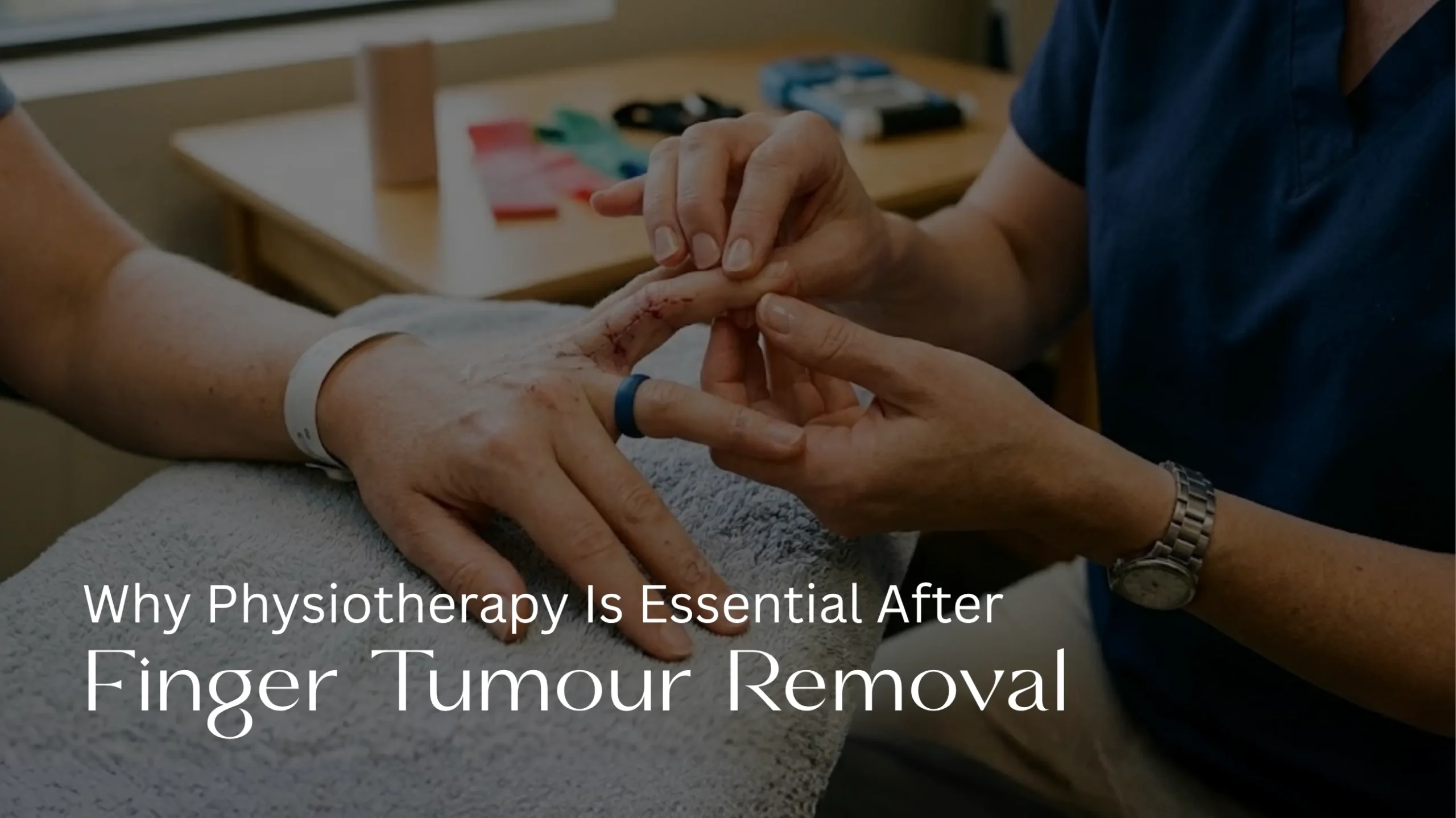
Why Post-Operative Physiotherapy Matters After Finger Tumour Removal Surgery
A successful finger tumour removal surgery is often seen as the end of the problem. The tumour is gone, the wound heals, and patients are discharged with relief. However, what many people do not realize is that recovery does not end in the operating room. In fact, the most important phase begins afterward, when the body must regain movement, strength, and function.
At LEPR, we recently treated a female patient in her late 20s who experienced exactly this gap in care. She underwent a successful surgical removal of a benign tumour from her middle finger. The procedure went smoothly, and she was told her recovery was complete once the stitches were removed. Unfortunately, she was not referred for physiotherapy.
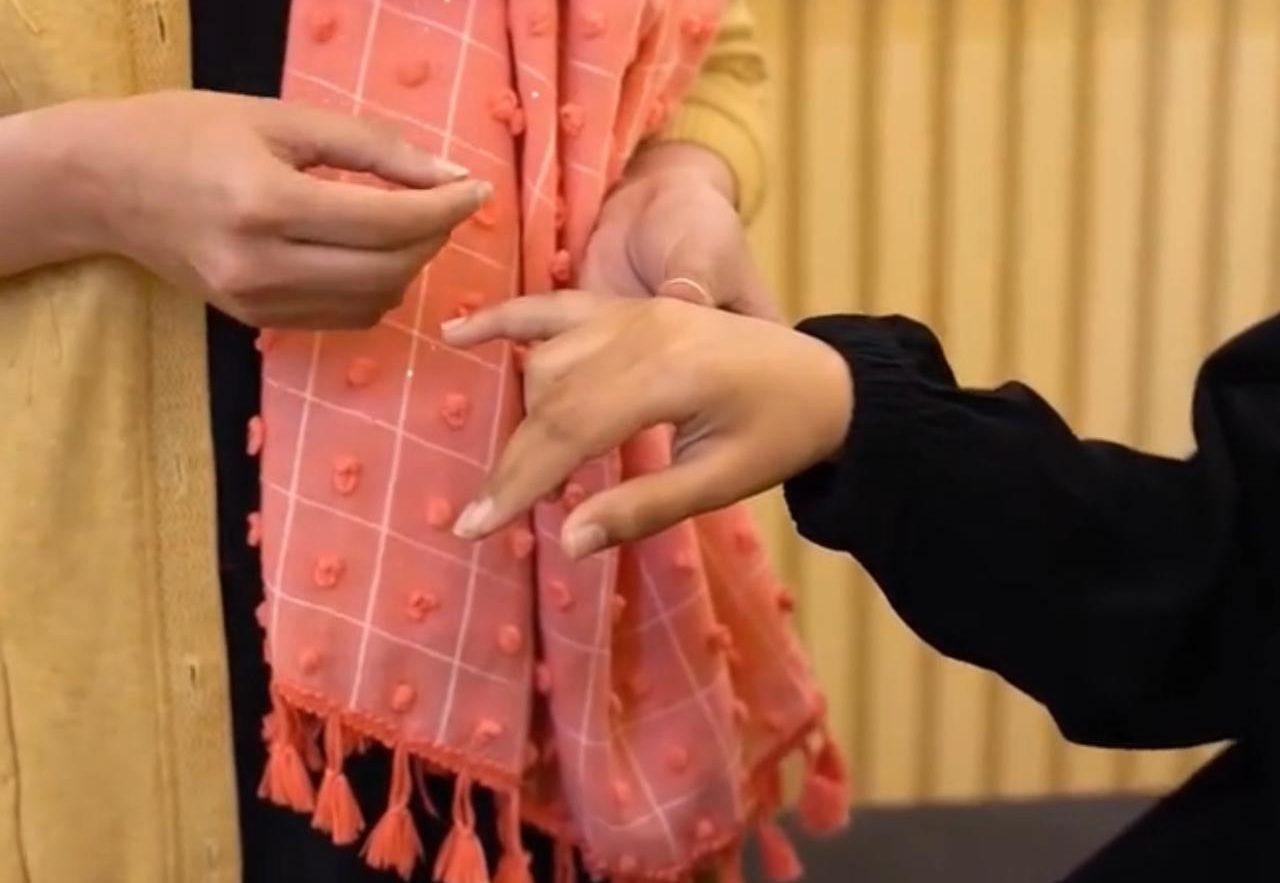
In the first few weeks, everything seemed fine. The wound healed well, and the pain was reduced significantly. But gradually, she began noticing stiffness in her finger. At first, it was mild and only noticeable in the morning. Soon, she found it difficult to fully bend or straighten the finger. Simple daily tasks like holding a pen, cooking, or using her phone became challenging. By the time she visited LEPR, her finger had become significantly stiff, with reduced range of motion and early contracture formation.
What Actually Happens After Surgery?
After any surgical intervention, especially in small structures like the fingers, the body naturally responds with inflammation, swelling, and scar tissue formation. This is a normal part of healing. However, when the finger is not moved properly during this phase, complications can develop.
In this patient’s case, the lack of early movement led to the formation of dense scar tissue around the tendons and joints. These tissues began sticking together, limiting normal glide and movement. Over time, the joints became stiff, and the surrounding muscles weakened due to inactivity.
This condition did not occur because of a surgical error. It occurred because the rehabilitation phase was missed.
Why Fingers Are Highly Vulnerable
Fingers are complex structures made up of tendons, joints, ligaments, and nerves within a very small space. Even short periods of immobilization can significantly impact their function. Unlike larger joints, fingers rely heavily on frequent movement to maintain tendon flexibility and joint mobility.
Without guided physiotherapy:
- Tendons lose smooth gliding ability
- Scar tissue restricts motion
- Muscles weaken due to disuse
- Joint capsules become tight
Within weeks, these changes can severely affect hand function.
Role of Post-Operative Physiotherapy
Physiotherapy after finger surgery is not just exercise; it is a structured rehabilitation process designed to restore function safely.
For this patient at LEPR, treatment included:
- Swelling control techniques to reduce stiffness
- Scar tissue mobilization to prevent adhesions
- Gentle passive and active range-of-motion exercises
- Progressive strengthening of grip and finger control
- Functional retraining for daily activities like writing and gripping objects
The goal was to restore not just movement, but real-life functional independence.
Recovery Progress
Initially, progress was slow due to established stiffness. However, with consistent therapy, gradual improvements were seen. Finger mobility improved, pain reduced, and functional use returned over time. Although recovery was successful, it required more time and effort than it would have if physiotherapy had started early.
Why Early Intervention Is Critical
If physiotherapy begins soon after surgery, many complications can be prevented. Early controlled movement helps:
- Maintain tendon glide
- Prevent scar adhesions
- Reduce swelling
- Preserve joint mobility
Delaying rehabilitation makes recovery longer and more difficult, though not impossible.
Final Insight
This case highlights a critical truth: surgery alone is not enough. Physiotherapy is not optional; it is an essential continuation of surgical care. Without it, even a successful operation may not restore full function.
At LEPR, we specialize in post-operative hand rehabilitation, helping patients regain movement, strength, and independence after complex procedures. If stiffness has already developed, recovery is still possible with the right guidance.
Healing does not end when the tumour is removed; it continues through structured rehabilitation that restores life back to the hand.