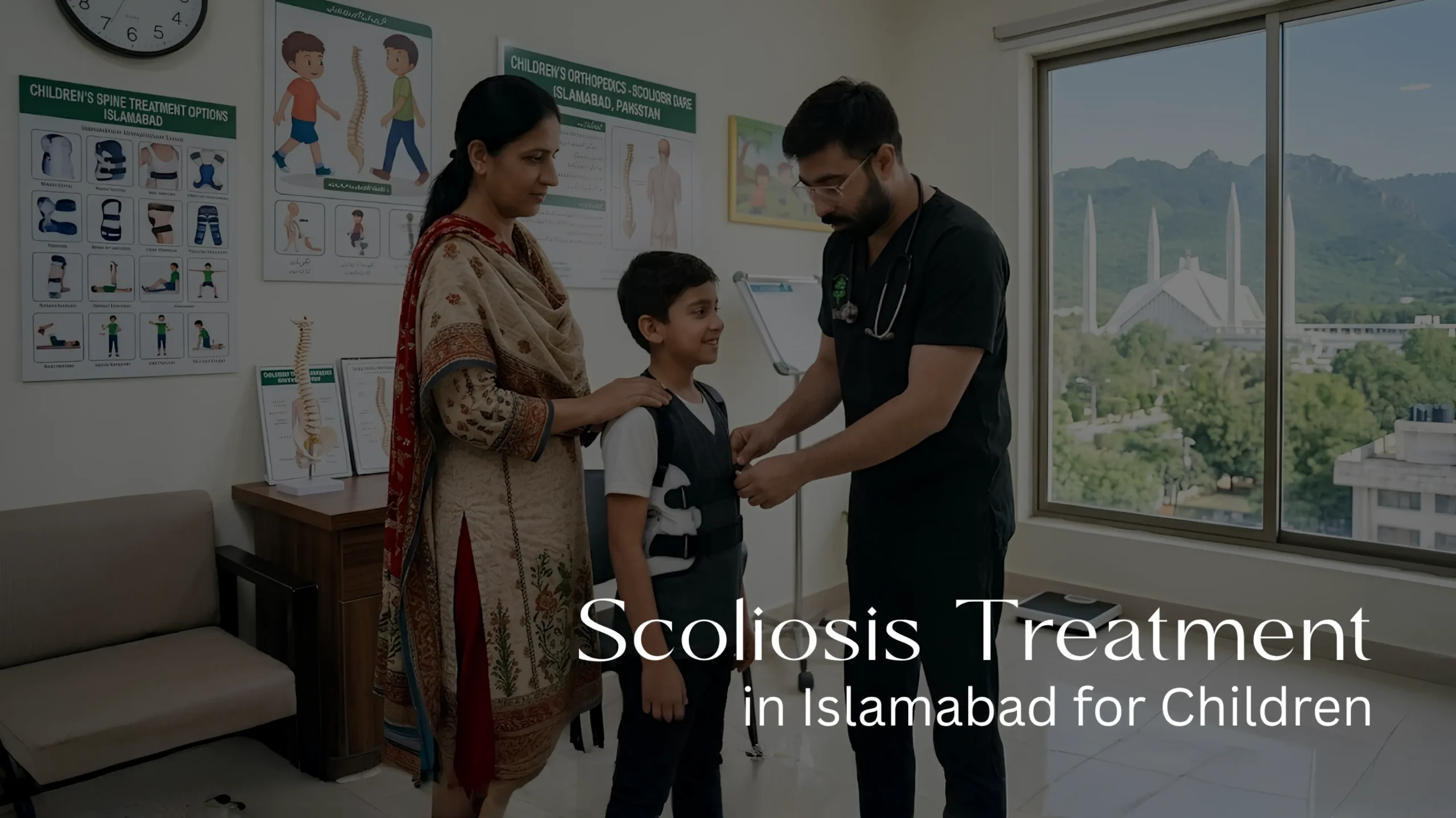
Scoliosis in Children: Why Early Detection Matters for Your Child’s Future
As a parent, even small changes in your child’s posture can mean something more serious. Uneven shoulders, a slight curve in the back, or a posture that doesn’t feel quite right, these signs should never be ignored. One possible cause behind these changes is Scoliosis, a condition that can develop silently in children.
According to the National Institutes of Health, around 1.6% to 3.1% of children are affected by scoliosis. While this may seem like a small number, it represents thousands of children worldwide who may require early attention and care.
What is Scoliosis?
Scoliosis is a condition where the spine curves sideways instead of maintaining a straight alignment. In children, this can develop gradually and often without noticeable pain, making it harder to detect early.
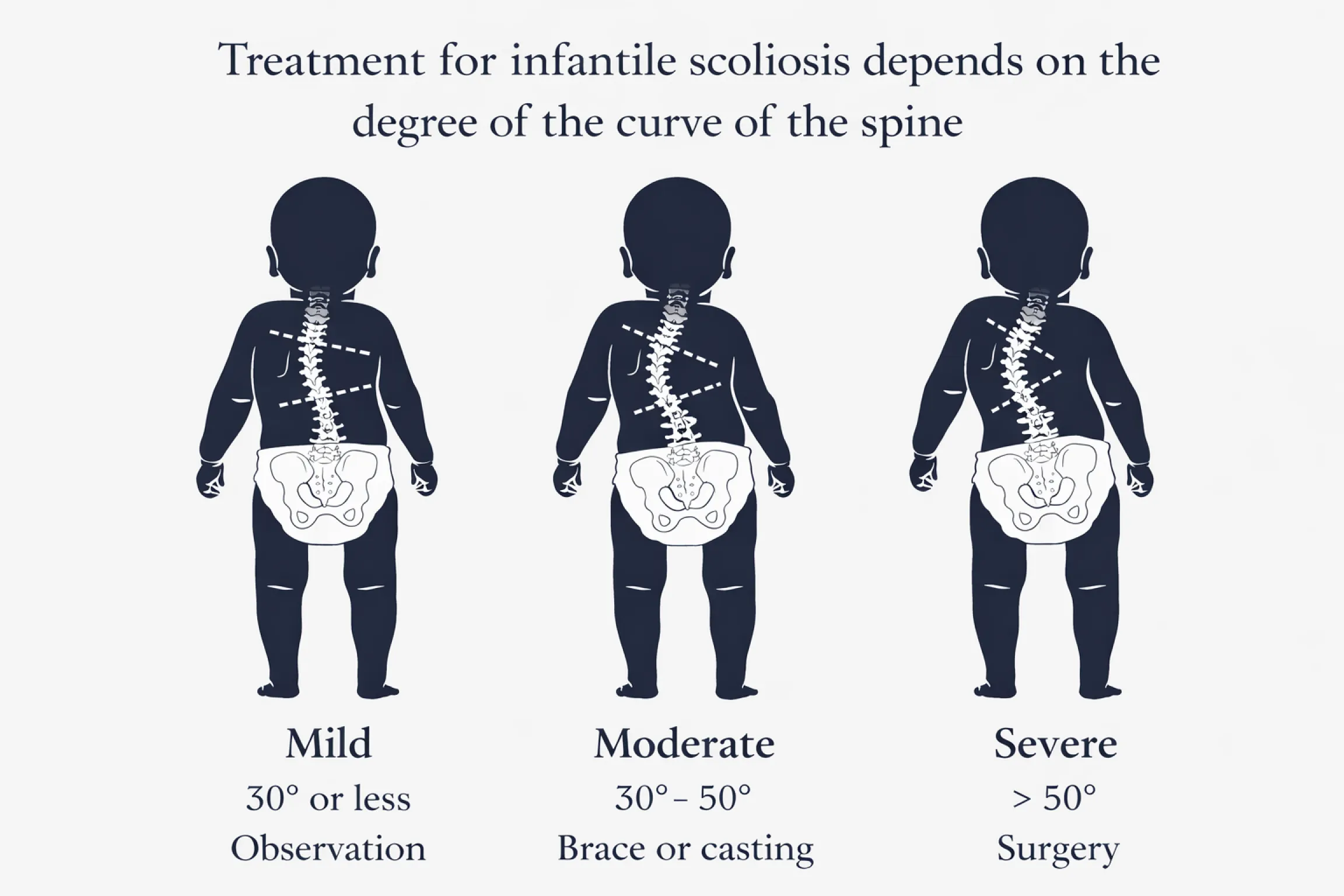
A specific type known as early onset scoliosis occurs before the age of 10. This stage is particularly important because a child’s spine and lungs are still developing. Any abnormal curvature during this time can affect overall growth and physical development.
Why Early Onset Scoliosis is More Critical
Unlike adult scoliosis, early onset scoliosis requires careful monitoring and timely intervention. Since the body is still growing, the curve in the spine can progress quickly if not managed properly.
This can potentially lead to complications such as:
- Restricted lung development
- Poor posture and balance
- Long-term spinal deformities
Early detection plays a crucial role in preventing these outcomes and ensuring healthy development.
What Causes Scoliosis in Children?
In most cases, scoliosis in children is classified as idiopathic, meaning the exact cause is unknown. However, some contributing factors may include:
- Genetic predisposition
- Muscle imbalances
- Growth-related changes
Because the cause is often unclear, regular observation and early screening become even more important for parents.
Signs Parents Should Look For
Scoliosis can be difficult to detect in infants, but as children grow, certain signs become more noticeable. Parents should watch for:
- Uneven shoulders
- One shoulder blade more prominent than the other
- A visible curve in the back
- Uneven waist or hips
- Leaning to one side
If you notice any of these signs, it is important to seek professional evaluation as early as possible.
Why Early Care is Essential
Ignoring scoliosis can lead to progression of the spinal curve, which may affect not only posture but also internal functions like breathing. Early care allows for better management, reduces the risk of complications, and supports normal growth.
The earlier the intervention, the better the outcome.
How LEPR Helps Children with Scoliosis
At LEPR Physiotherapy & Rehabilitation, we understand that every child is unique. Our approach focuses on personalized pediatric care, ensuring that each treatment plan is tailored to the child’s specific condition and stage of development.
Our expert physiotherapists use:
- Targeted therapy techniques
- Postural correction exercises
- Strengthening and flexibility programs
- Continuous monitoring and guidance
This comprehensive approach helps children improve posture, maintain spinal alignment, and continue growing in a healthys way.
Are You Seeing These Signs in You Child?
Scoliosis may begin with subtle signs, but its impact can be significant if left untreated. As a parent, staying aware and proactive can make all the difference in your child’s future health.
If you notice any changes in your child’s posture, don’t wait. Visit LEPR
Early detection means better outcomes, because every child deserves a healthy start.