From Injury to Recovery: A Real Patient Success Story at LEPR
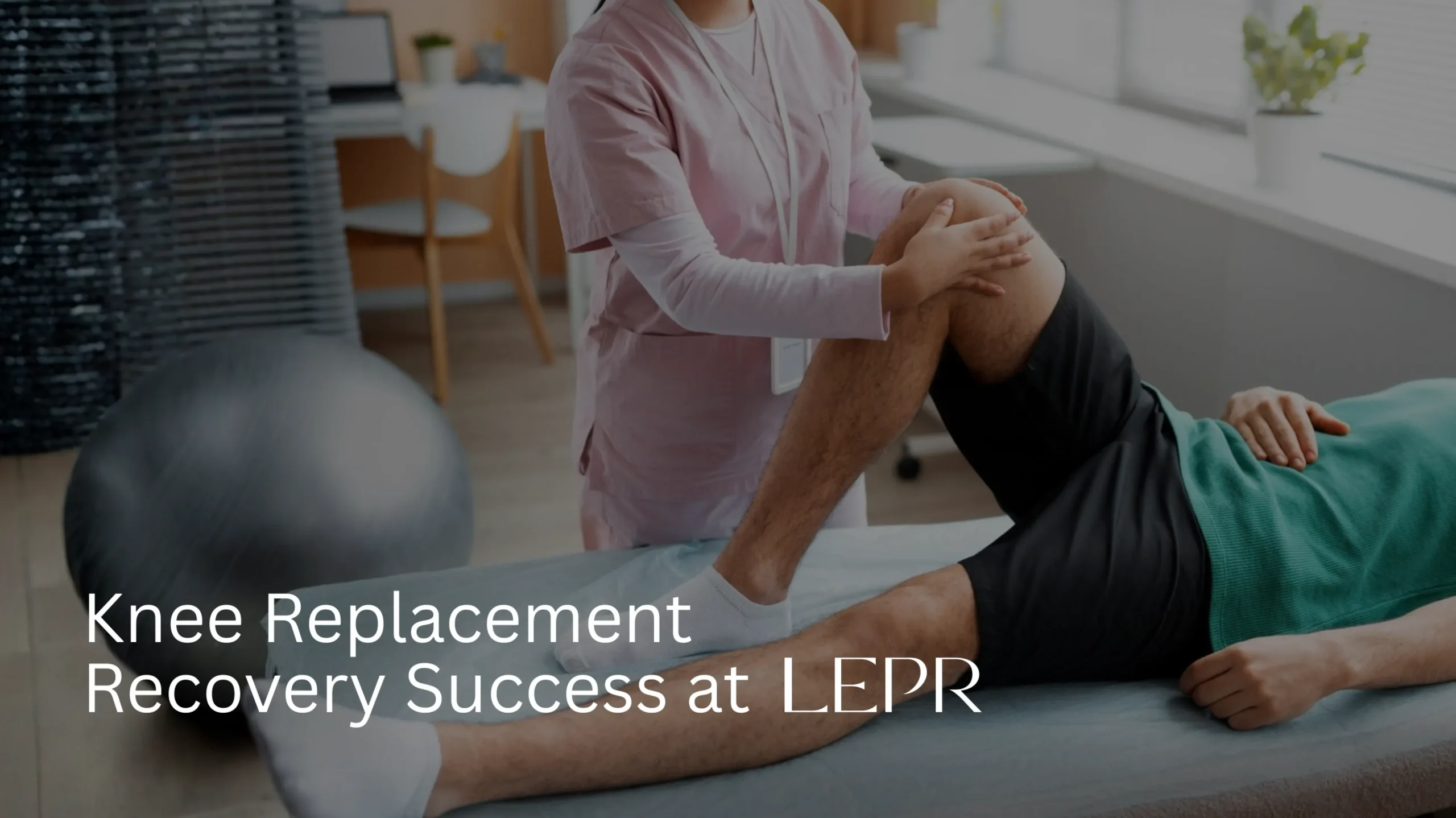
Recovery after a major surgery requires more than time; it requires the right rehabilitation. At LEPR, we often meet patients who feel discouraged because their healing process has not gone as expected. One such inspiring case was a gentleman in his late 60s who came to us after undergoing a total knee replacement surgery in the United States.
His story is a powerful reminder that the quality of physiotherapy can make all the difference between frustration and full recovery.
The Challenge After Surgery
Total knee replacement is a major procedure, and early rehabilitation plays a critical role in determining long-term results. Typically, patients are expected to achieve around 90 degrees of knee bending within the first three weeks after surgery. This range of motion is essential for performing basic daily activities such as sitting, standing, and walking comfortably.
However, when this patient arrived at LEPR in Pakistan, his situation was concerning.
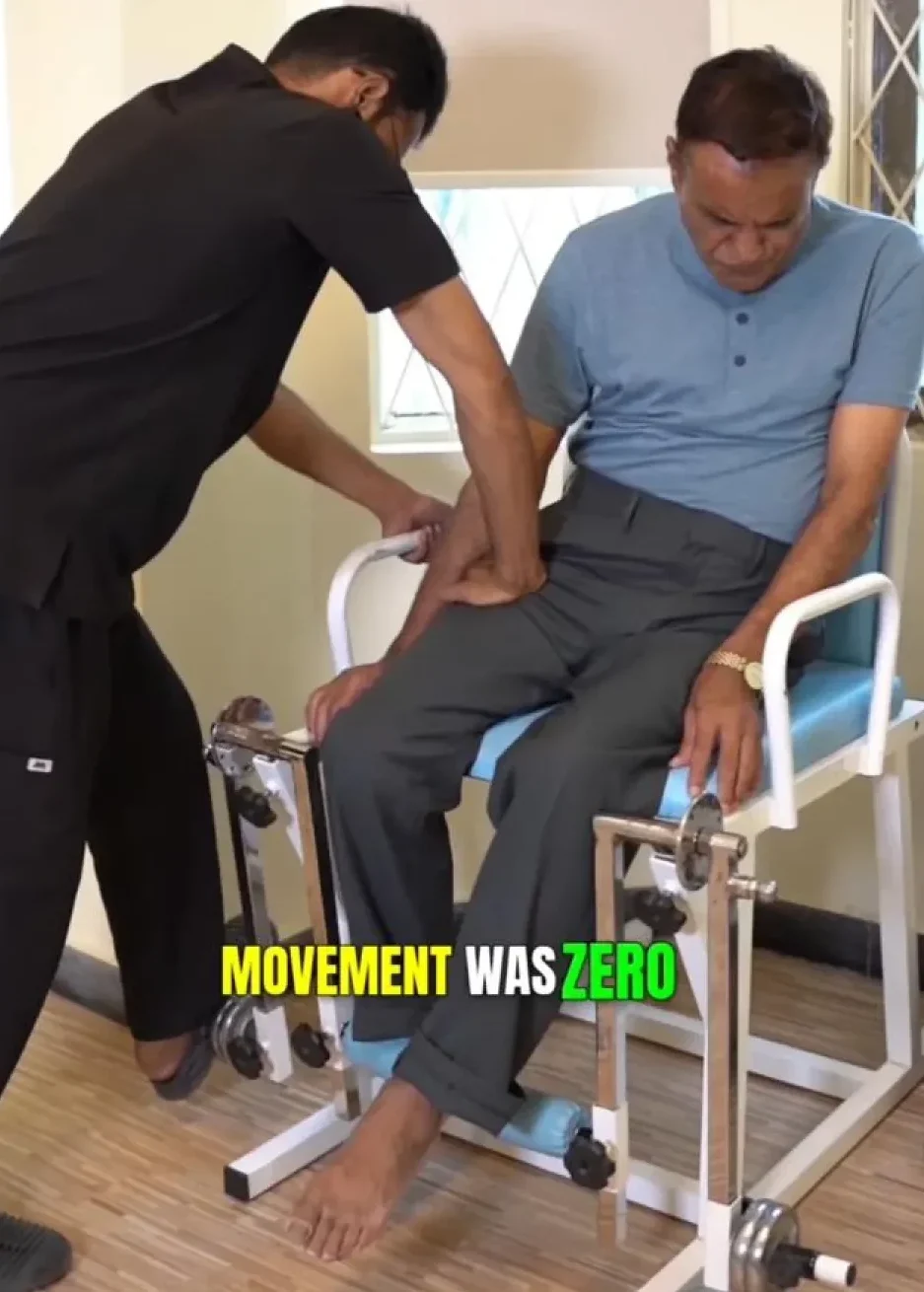
Despite attending routine physiotherapy sessions elsewhere, his knee joint mobility was zero degrees. There was no functional bending. The joint felt extremely stiff, and even basic movement was restricted. At first glance, it almost felt like a failed surgery, which can be emotionally devastating for a patient who has invested time, effort, and trust into the procedure.
He was not only physically uncomfortable but mentally disheartened.
Understanding the Real Problem
When he came to us, we performed a thorough assessment. In cases like these, it is important not to jump to conclusions. Sometimes the surgery is successful, but the rehabilitation protocol is not aggressive or specialized enough for post-operative recovery.
Knee replacement rehabilitation is not “general physiotherapy.” It requires:
- Targeted joint mobilization
- Controlled pain management
- Structured range-of-motion progression
- Muscle activation techniques
- Close monitoring of swelling and stiffness
Without proper post-surgical rehabilitation, scar tissue can build up, muscles can become inhibited, and joint stiffness can worsen rapidly.
This is exactly what had happened in his case.
A Focused Rehabilitation Plan at LEPR
At LEPR, we designed a personalized and structured rehabilitation program specifically for post-total knee replacement recovery. Our goal was clear: restore mobility safely, gradually, and effectively.
We began with gentle but precise joint mobilization techniques to reduce stiffness. Pain was carefully managed so the patient could tolerate movement without fear. Quadriceps activation was prioritized because muscle strength around the knee is essential for functional improvement.
We also educated him about the recovery process; reassurance is just as important as treatment. When patients understand what is happening inside their bodies, they regain confidence.
The first few sessions were challenging. Stiff joints after weeks of limited movement require patience and consistency. But gradually, we began to see change.
Remarkable Progress in Just Two Weeks
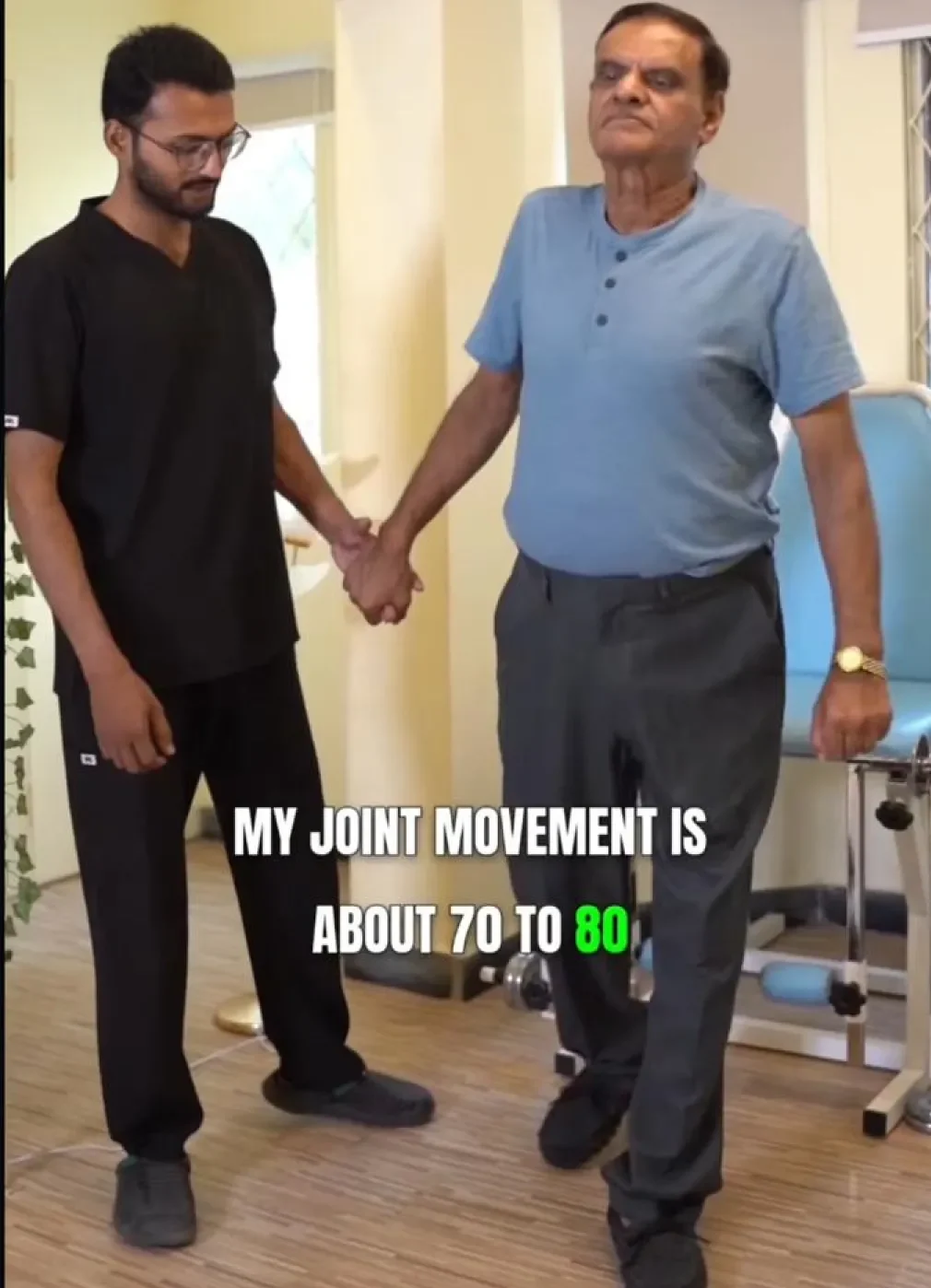
Within two weeks of focused physiotherapy at LEPR, his knee mobility improved from 0 degrees to approximately 70–80 degrees of flexion.
This was a major breakthrough.
From complete stiffness to significant bending in such a short time is not common, but it becomes possible when the right techniques are applied at the right time.
More importantly, his confidence returned. He could see measurable progress. Walking became easier. Daily activities felt less intimidating.
And the improvement didn’t stop there.
By the third week of structured treatment with us, we were on track toward achieving the full functional range of motion. His recovery was finally moving in the right direction, the direction it should have taken from the start.
Why the Right Physiotherapy Matters
Surgery is only one part of the journey. Rehabilitation determines the outcome.
In knee replacement cases, especially, early and correct physiotherapy prevents complications such as:
- Joint stiffness
- Scar tissue adhesions
- Muscle weakness
- Delayed recovery
- Emotional distress due to lack of progress
A tailored rehabilitation plan can transform what seems like a failed result into a successful recovery story.
This patient’s case is a powerful example. His surgery was not a failure; the rehabilitation approach simply needed adjustment.
Hope for Patients Facing Slow Recovery
If you or a loved one feels stuck after surgery, it does not always mean the procedure has failed. Sometimes the body just needs a more specialized and focused rehabilitation strategy.
At LEPR, we believe in evidence-based, patient-centered care. Every individual is different. Age, lifestyle, surgical technique, and previous health conditions all influence recovery. That is why we never apply a one-size-fits-all approach. Instead, we assess carefully, plan strategically, and guide you step by step toward functional improvement.
Your recovery journey does not end with surgery. In many ways, that is where it truly begins.